Free Christmas Carols + Gen Z Faith + Worship Guitar Tones
Welcome to another edition of The Church Musicians Weekly Insider. In each edition we help church music leaders to be more prepared and effective in leading worship and their team. This week we are talking about everything from planning your Christmas services to understanding the next generation walking through your doors.
We are diving into which beloved Christmas carols you can use without licensing fees, plus we are exploring what Gen Z actually believes about faith and church. If you lead guitar players, we have something special for you too, including the five essential tones every worship guitarist needs to master.
We are also unpacking what it really means to be a worship leader, checking out the MxU Podcast for some fresh insights, and looking at the best guitars for your worship team. Whether you are planning ahead or looking to sharpen your skills, this issue has something for everyone leading music in the church.
Navigate the Copyright Maze: Know Which Christmas Carols You Can Use Freely
The Christmas season is in full swing, and you're probably planning your holiday music lineup right now. But here's a question that might catch you off guard: do you actually have the right to perform and project every carol on your list? Many church musicians assume all traditional Christmas music is fair game, but the truth is more complicated than that. Some beloved holiday classics still carry licensing requirements, while others have been free to use for over a century.
Copyright law and music licensing can feel like navigating a maze in the dark. Public domain songs are free to perform and arrange, but determining which carols fall into that category requires knowing the rules. A song's age doesn't automatically make it public domain in the United States. What matters is when the song was published, who wrote it, and whether the copyright has expired. Some Christmas carols you've sung your whole life might still be under copyright protection, while others you didn't expect to be free actually are.
For church music leaders and musicians, this distinction carries real weight. Using copyrighted material without proper licensing exposes your church to potential legal issues and undermines the artists and publishers who created the work. On the flip side, understanding which carols are public domain gives you freedom to arrange, adapt, and project them however you see fit during your services. This knowledge also helps you budget your licensing fees more effectively by identifying which songs require payment and which don't.
The key takeaway this week is simple: spend an hour doing your homework on the Christmas carols in your current rotation. Check which ones are public domain and which require licensing through services like CCLI or One License. Your future self will thank you when you're confident in your song choices and protecting both your church and the creators behind the music. It's a small investment of time that pays dividends in peace of mind.
Why Your Worship Team Needs a Checklist (Like Pilots Do)
You know how pilots use detailed checklists before every single flight, no matter how experienced they are? The MxU Podcast makes a compelling case that worship teams should do the same thing. It's not about lacking skill or trust in your musicians, it's about eliminating the small things that can derail a service. A simple checklist catches forgotten music stands, missing chord charts, sound check items, or lineup changes before they become Sunday morning problems.
For church music leaders, this is a game changer because it removes the mental burden of remembering every detail and distributes responsibility to your whole team. When everyone has the same checklist, there's clarity about who's doing what. Your musicians feel more confident, your service runs smoother, and you spend less time firefighting and more time actually leading worship. The best part? It takes just a few minutes to create and uses it every week.
Understanding Your Role: What It Really Means to Be a Worship Leader
Ever wondered what actually defines a worship leader versus a musician who leads worship? This article breaks down the real scope of the role, and it's probably bigger than you think. It's not just about hitting the right notes or keeping the band tight, though those things matter. A worship leader carries responsibility for spiritual direction, congregational engagement, and creating an atmosphere where people can genuinely encounter God. Understanding where your role begins and ends, plus what gets added to your plate each week, helps you show up with clarity and intention.
Here's why this matters to you: knowing exactly what you're responsible for (and what you're not) reduces confusion, manages expectations with your pastor and team, and honestly makes the job less overwhelming. When you understand the full scope, you can prepare better, delegate better, and even advocate for yourself better when it comes time to talk about compensation. Whether you're exploring this role for the first time or you've been doing it for years, getting clear on the job description shapes everything else about how you lead.
The 5 Worship Guitar Tones Every Player Must Know from All About Worship Guitar
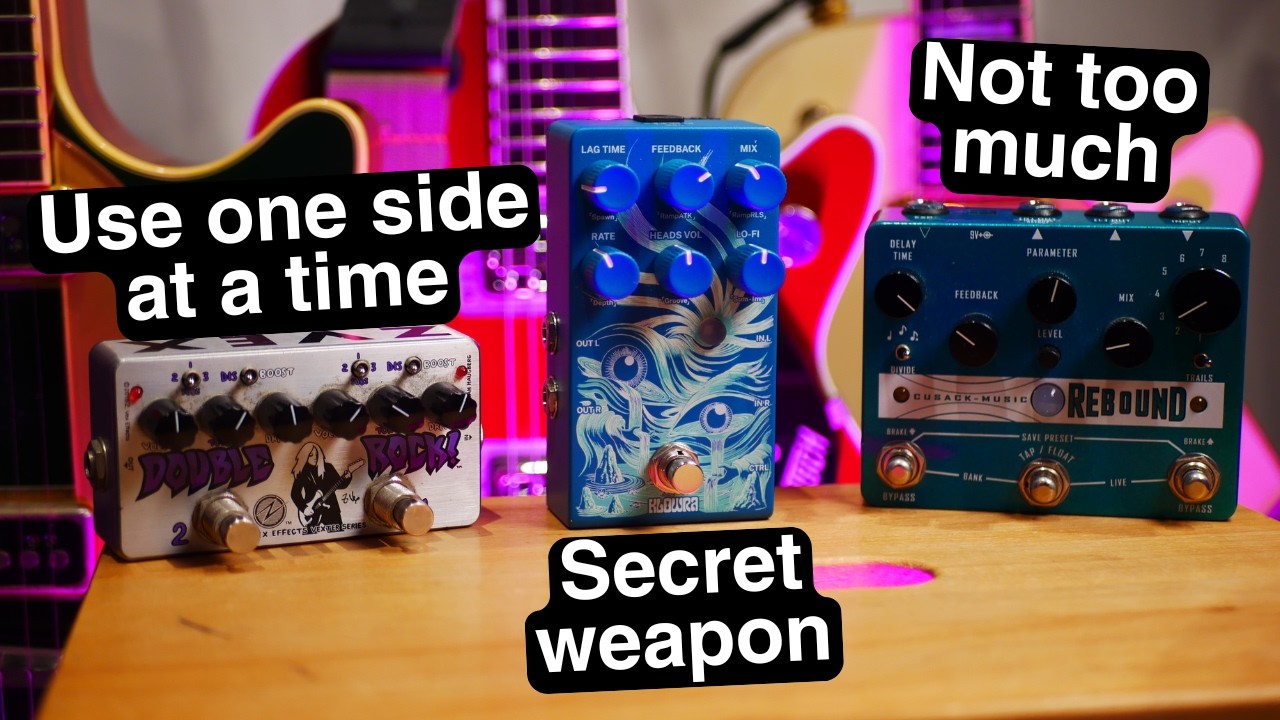
I recently came across this video from All About Worship Guitar where they broke down five essential worship guitar tones that actually work in a full band mix, and I wanted to share it with you. Here's what stood out to me: the presenter makes a really important point that tone isn't about spending big money on boutique pedals. Instead, it's about understanding how to combine the pedals and settings you already have in a way that fits your worship context. That's huge for church musicians working with limited budgets, because it means you can absolutely achieve professional, polished worship sounds without breaking the bank.
The five tones they cover are clean with grit (at 0:44), ambient clean with controlled reverb and delay (at 1:32), transparent drive that stays bright and cuts through (at 2:50), modern modulation that's subtle rather than over the top (at 4:28), and what they call wet section saturation for depth. The real takeaway is this: master these five foundational tones and you'll be able to play worship sets with confidence, knowing you can serve the song and the band rather than chasing cool sounds. As they say in the video, choose context over cool sounds. That's wisdom for any of us leading music in church.
0:44Clean with grit for cutting through the mix
1:32Ambient clean, keeping reverb and delay subtle
2:50Transparent drive stays bright and present
4:28Modern modulation done with restraint
7:14Master these five tones and play with confidence
 Bruce A Mayo